
Waste Makeover: Biotech Solutions to Engineer Tomorrow's Biorefineries (For Valuable Products)
In an era of increasing environmental challenges, including climate change, food security and intensification of resource scarcity, the notion of "waste" undergoes a fundamental transformation. For students engaged in the fields of biotechnology, food technology, agriculture and engineering, this shift represents not only a challenge but a vast opportunity: to transform waste streams into valuable resources.
Rethinking the Linear Production Model: A Paradigm Shift
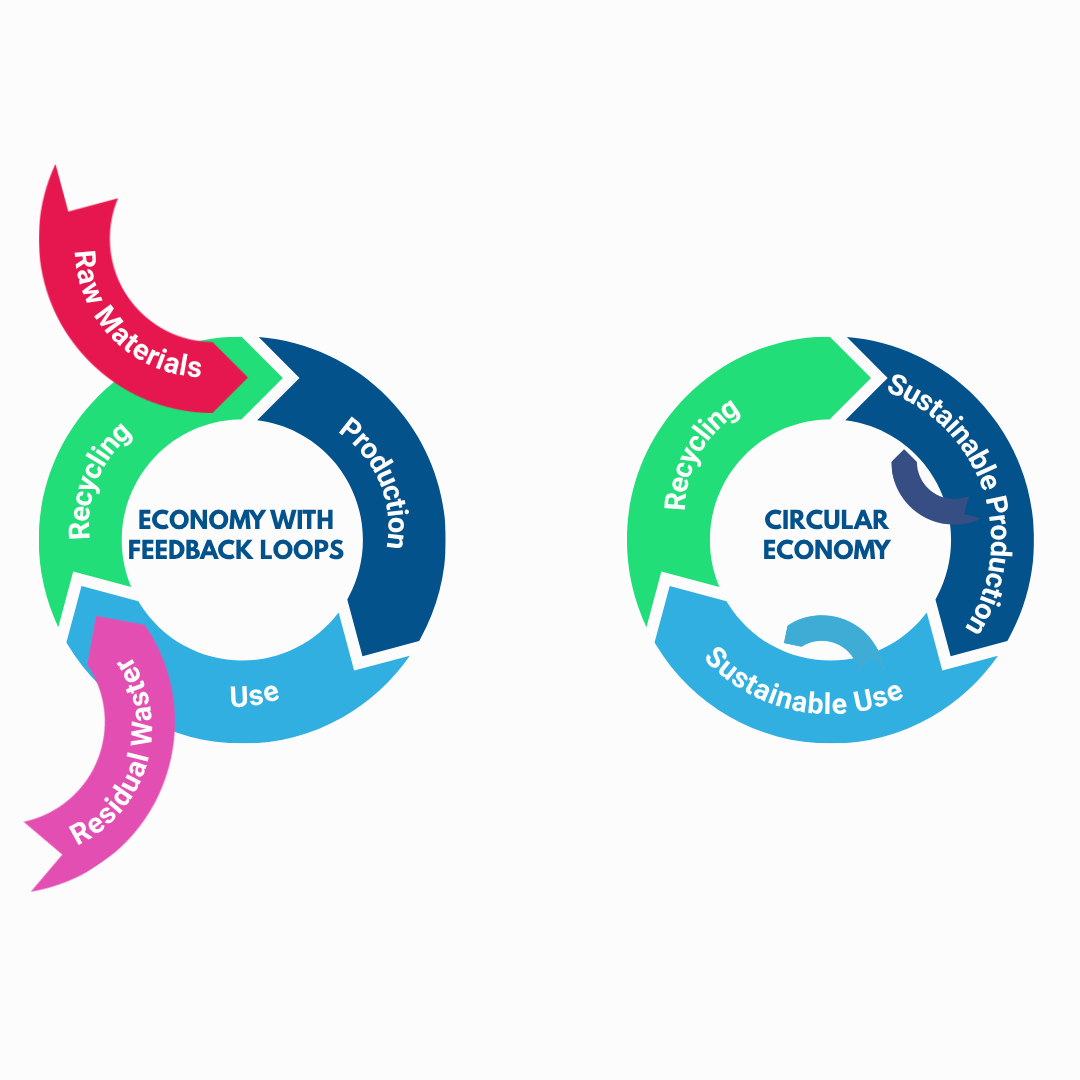
The conventional industrial production systems operate linearly: an input of resources and an output of waste, on the basis of take-make-dispose. But this model is no longer sustainable. Biorefineries, inspired and grounded on the circular economy principles, are designed to close resource loops by converting biomass and organic waste into bio-based fuels, chemicals, materials and most importantly high-value food and pharmaceutical ingredients. Biotechnology (specifically microorganisms), process engineering and food innovation act synergistically as critical levers of sustainable, efficient and scalable conversion processes.
Biotechnology: Microbial Innovation for Sustainable Conversion
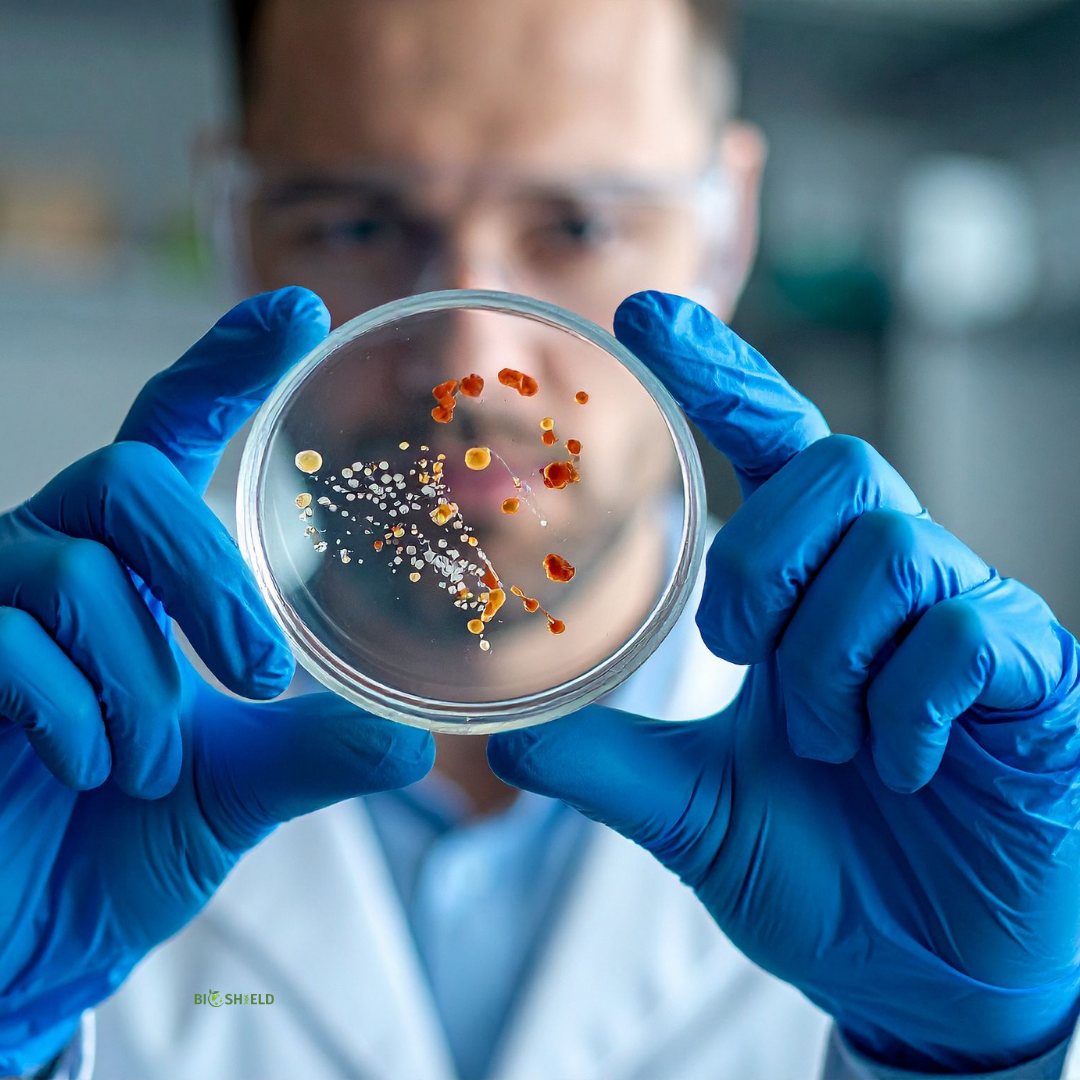
In biorefineries, biotechnology plays a pivotal role. Through metabolic engineering and synthetic biology, microorganisms can be tailored to degrade complex substrates like agro-industrial residues, food processing by-products and even municipal waste and produce: bioplastics like polyhydroxyalkanoates (PHAs), biofuels like ethanol and butanol, organic acids and platform chemicals (succinic and lactic acids). Moreover, a vast, largely unexplored pool of microbial species holds the potential to synthesize a wide range of valuable metabolites. These processes are typically energy-efficient and highly specific, offering several advantages over conventional chemical processes.
Designing Future Biorefineries: A Systems-Level Approach
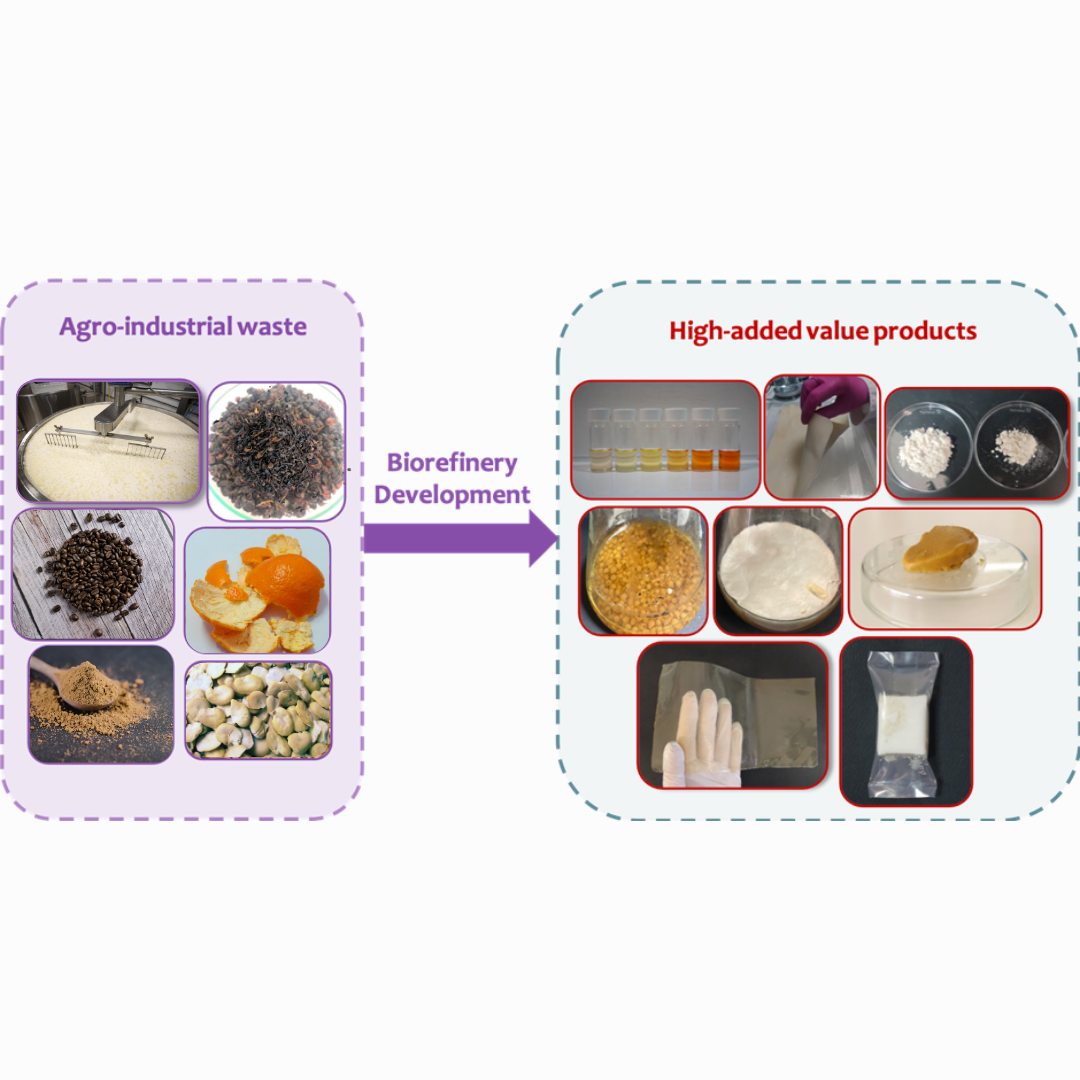
Biorefinery design goes far beyond selecting the right microorganisms. It requires systems-level thinking, where biotechnology, food science, and engineering principles intersect to create integrated, efficient, and sustainable processes. From upstream feedstock pre-treatment to fermentation and downstream product recovery, every step must be optimized not only for yield and productivity, but also for economic feasibility and environmental viability.
In particular, utilizing food waste and by-products unlocks significant potential to develop functional ingredients, nutraceuticals and alternative proteins. For example:
- Discarded peels and pulps from fruit processing are sources of dietary fiber, antioxidants, or natural colorants.
- Brewer's spent grain can be repurposed into protein-rich flours or fermented food products.
- Fermentation and enzymatic treatments can enhance nutritional profiles and safety.
- Bread waste can be used to produce mycoprotein from the fungi Rhizopus delemar.
The integration and alignment of food safety, sensory attributes, and innovative processing techniques play a crucial role in developing circular food systems in biorefinery contexts.
Challenges and Frontiers
- Scalability: Laboratory successes do not always translate to industrial viability.
- Process robustness: Mixed waste streams are variable and often inhibitory, hence designing integrated bioprocesses for mixed and variable feedstocks is crucial.
- Regulatory and economic constraints: Many bio-based products still struggle to compete with petroleum-derived counterparts.
The most effective biorefinery designs will come from cross-disciplinary teams, where each expertise contributes to a shared vision of sustainability that will lead toward a circular, bio-based economy.