
From Waste to Worth — Microbiome Applications for Circular and Climate-Resilient Starter Culture Manufacturing
Rethinking Starter Culture Production in a Circular Bioeconomy
Starter cultures are the invisible workforce underpinning many of our most cherished foods — from yogurt and cheese to sourdough bread and fermented beverages — while also contributing to sustainable agriculture through their application as plant growth–promoting biofertilizers. Yet, the way these microbial cultures are traditionally produced often relies on resource-intensive inputs, energy-demanding processes, and refined substrates. In a world facing climate instability, biodiversity loss, and resource scarcity, the question is no longer how we produce starter cultures, but how sustainably we do it.
Across global bioeconomy strategies and food system transformation agendas, microbiome science has emerged as a key enabler of sustainable innovation. Advances in microbiome science highlight its pivotal role in shaping circular and climate-resilient agro-food systems. This module explores how we can translate those principles into starter culture manufacturing, turning waste streams into valuable microbial growth media, while reducing environmental impact.
From Waste to Substrate: Unlocking Hidden Microbial Potential
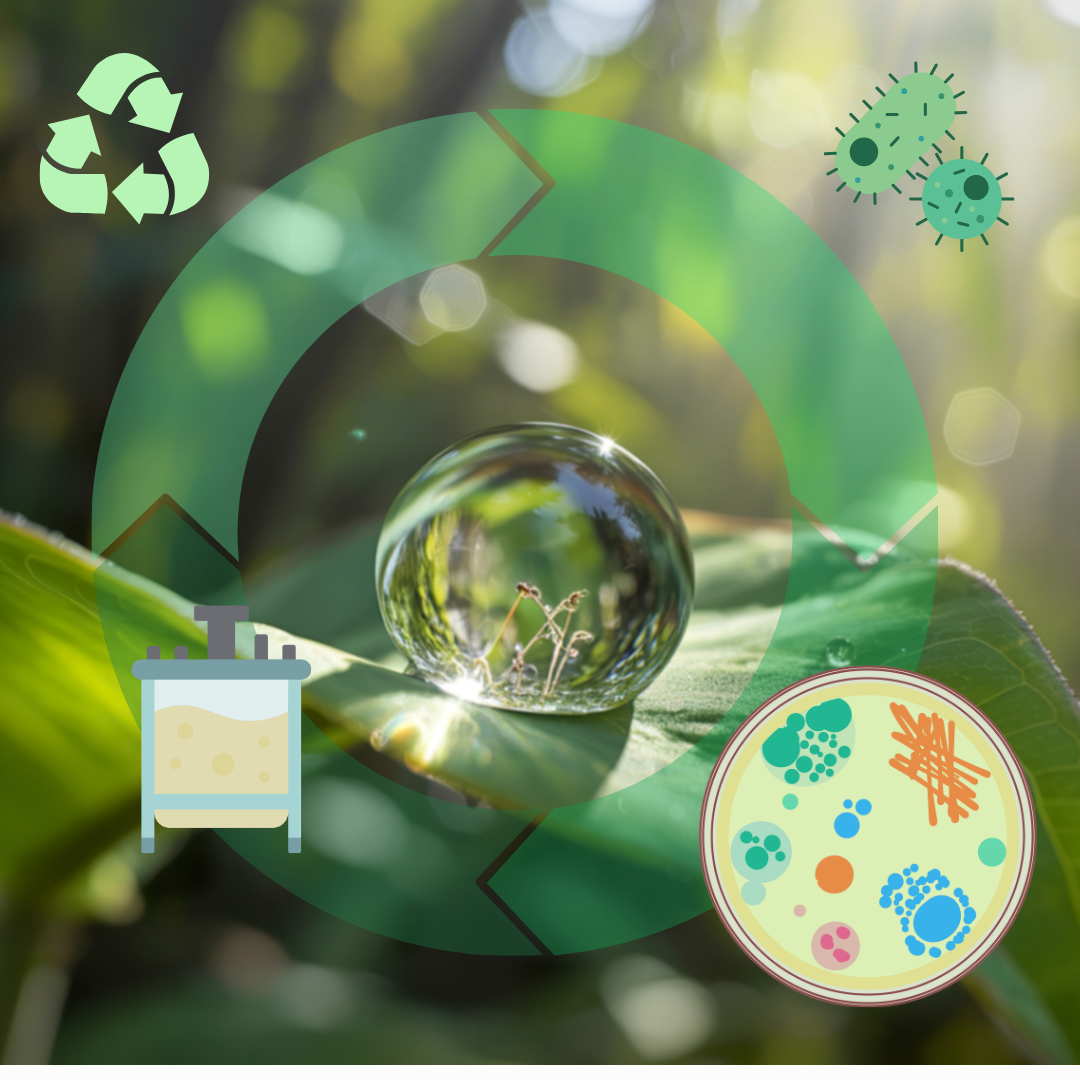
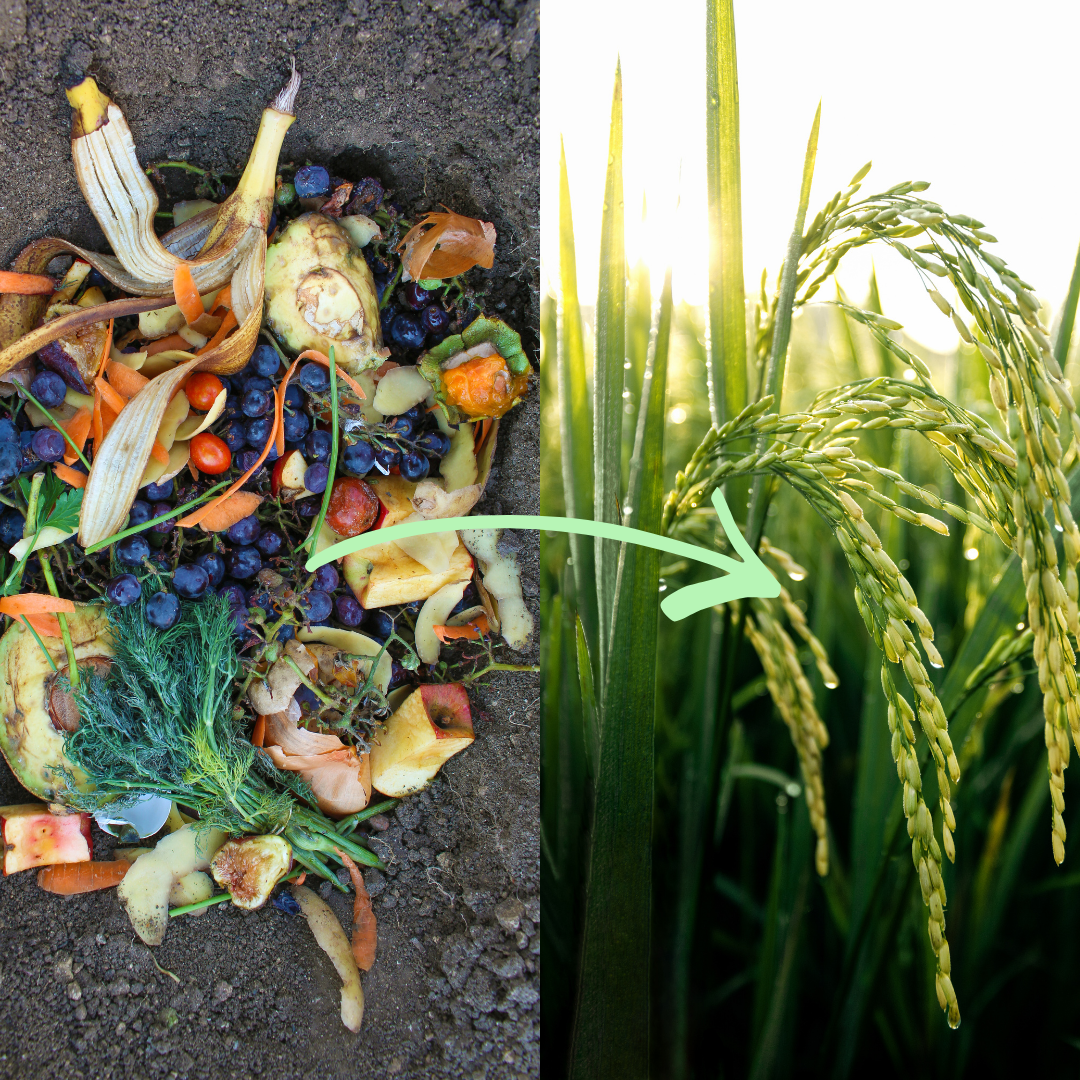
Food processing generates enormous volumes of side streams: whey from dairy production, plant trimmings from vegetable processing, spent grains from brewing, fruit pomace from juice extraction, etc. These materials are often underutilized or disposed of at environmental and economic cost. Yet microbiologically, they are nutrient-rich ecosystems waiting to be valorized.
Using scientific knowledge about microbiome, new strategies allow us to reframe these residues as growth substrates for starter culture production. Whey, for example, contains lactose, peptides, and micronutrients, ideally suited for lactic acid bacteria. By applying systems-level microbiome understanding — metabolic pathways, nutrient cycling, microbial interactions — we can design optimized growth environments that are both cost-efficient and low-carbon. This approach reflects the broader circular bioeconomy vision promoted by the Food and Agriculture Organization of the United Nations, where waste valorization becomes a pillar of sustainability.
Designing Climate-Resilient Microbial Production Systems
Climate change affects raw material availability, supply chain stability, and microbial performance itself. Temperature fluctuations, drought-related crop variability, and energy instability, all challenge conventional starter culture production models. A climate-resilient system must therefore be flexible, decentralized, and resource-efficient.
Microbiome applications offer several leverage points:
• Selection of robust strains adapted to variable substrates
• Engineering microbial consortia with functional redundancy
• Reducing dependency on refined sugars by using agro-industrial side streams
• Lowering greenhouse gas emissions through optimized fermentation efficiency
By integrating microbiome science into industrial biotechnology, we align starter culture manufacturing with global sustainability ambitions, such as those articulated under the European Commission Green Deal and international bioeconomy frameworks.
Circular Manufacturing as a Systems Innovation
True circularity goes beyond substituting one substrate for another. It requires systems thinking: connecting dairy plants with starter culture facilities, linking breweries to microbial biomass producers, embedding life cycle assessment into process design, and aligning regulatory frameworks to enable multi-strain microbial solutions.
In this module, we explore how starter culture production fits within a broader One Health perspective — where soil, plant, animal, human, and industrial microbiomes are interconnected. Waste from one node becomes feedstock for another. Emissions are minimized. Biodiversity is preserved. Value is regenerated instead of discarded.
From waste to worth is not simply a technological shift — it is a paradigm shift in how we understand microbes: not just as tools for fermentation, but as strategic partners in building resilient, low-carbon food systems.