

GIS for Climate-Smart Agriculture and Biotechnology
Soil is one of the largest carbon reservoirs on Earth, and its microbial communities regulate nutrient cycling, soil fertility, and climate change (IPCC, 2022; Crowther et al., 2019). However, soil microbiomes are not evenly distributed across landscapes, they are strongly shaped by environmental factors such as climate, soil pH, moisture, and land use (Fierer & Jackson, 2006; Delgado-Baquerizo et al., 2016; Bahram et al., 2018; Guerra et al., 2020). Understanding these spatial patterns is essential for developing climate-smart agricultural and biotechnological solutions.
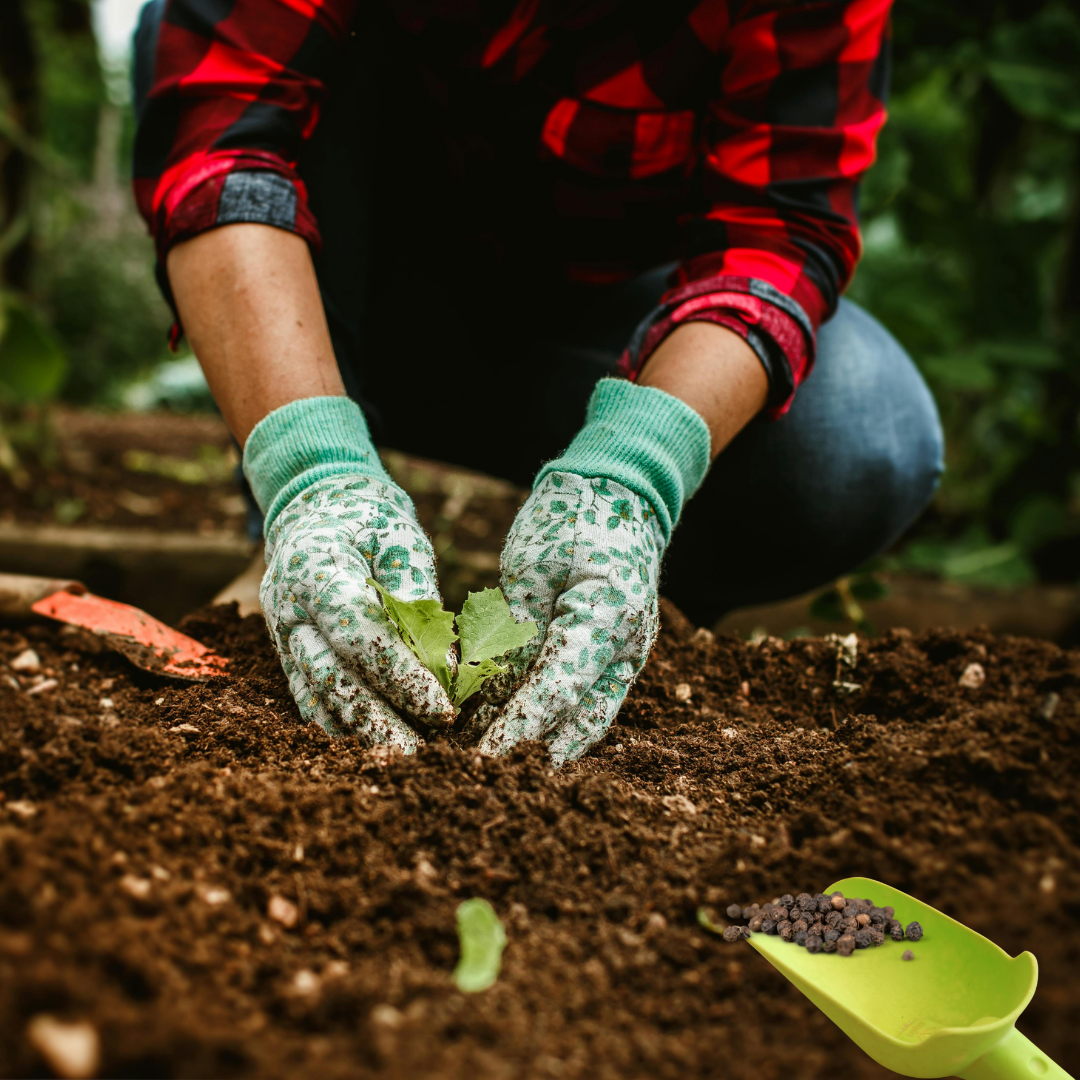
The BIOSHIELD module Exploring Environmental Factors of Soil Microbiomes with GIS introduces students to Geographic Information Systems (GIS) as a tool for analyzing and mapping these environmental drivers. By integrating satellite imagery, climate and soil datasets, students learn how to identify spatial relationships between environmental conditions and microbial activity (Hengl et al., 2017; Crowther et al., 2019).

By combining biotechnology with spatial analysis, the module equips students to move from laboratory observations to landscape-level insights. This interdisciplinary approach supports the development of innovative applications such as soil health monitoring, carbon farming strategies, and spatially targeted microbial solutions aligned with the EU Soil Strategy for 2030 (European Commission, 2021). In this way, GIS becomes not only a mapping tool, but serves as a decision-support framework connecting soil microbiology, environmental science, and innovation in green entrepreneurship.