

The Plant Holobiont and Rhizosphere Microbiome in Climate-Resilient Agriculture
Plants do not function as isolated organisms but as holobionts — integrated ecological units composed of the host plant and its associated microbial communities (Lyu et al., 2021; Vandenkoornhuyse et al., 2015). Microorganisms inhabit all plant organs: the phyllosphere (leaf surfaces), the rhizosphere (root–soil interface), and internal tissues as endophytes (Hao et al., 2024). Together, this plant microbiome regulates nutrient acquisition, modulates phytohormonal balance, enhances tolerance to abiotic stress, and contributes to disease suppression (Hao et al., 2024; Singh et al., 2025; Trivedi et al., 2020). In the context of accelerating climate change, the holobiont concept provides a powerful framework for understanding crop resilience as an emergent property of biological cooperation rather than plant genetics alone (Trivedi et al., 2022; Zeng et al., 2025).
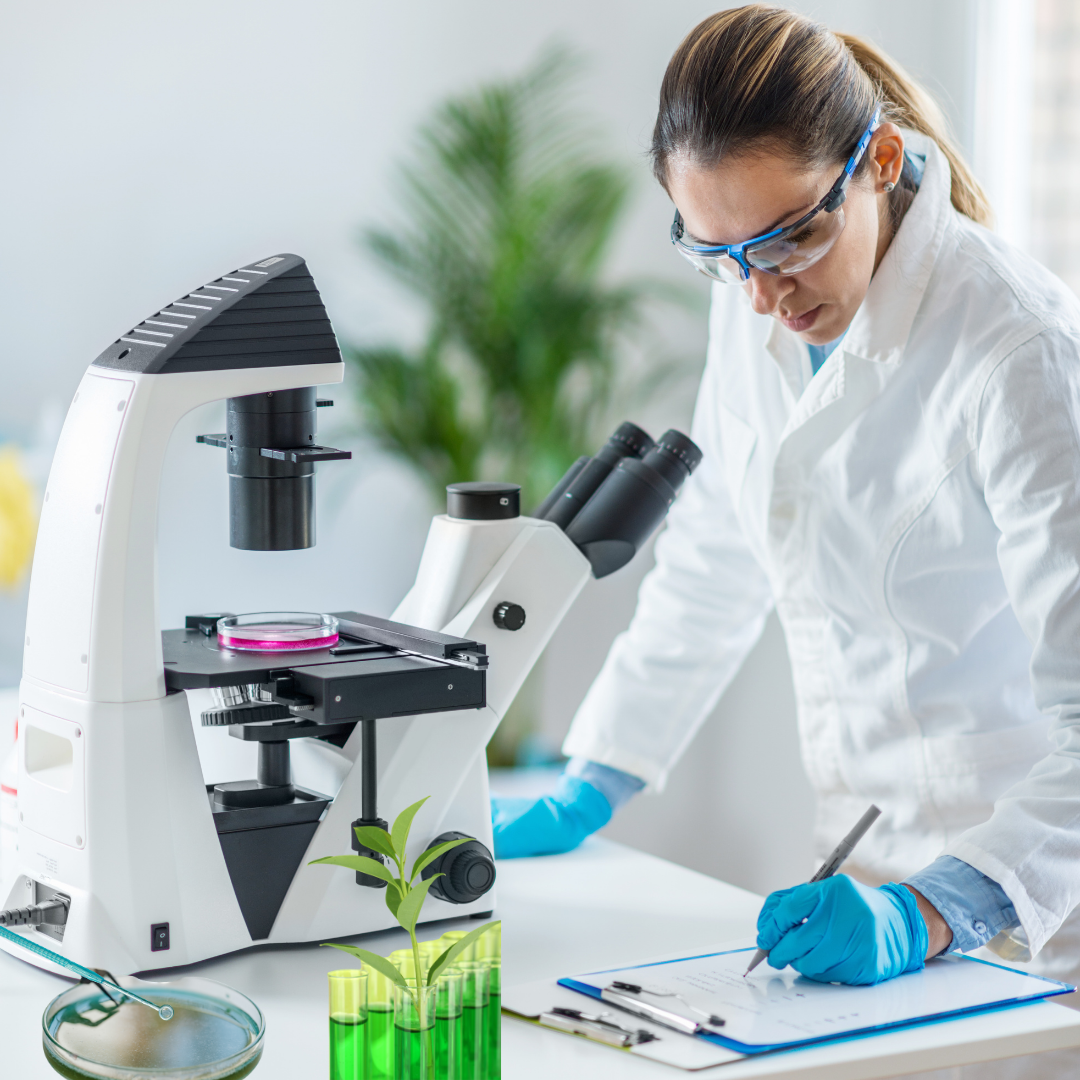
Among these habitats, the rhizosphere represents a particularly dynamic interface of agronomic relevance. Root exudates selectively shape microbial communities that influence nitrogen and phosphorus mobilization, root system architecture, and water-use efficiency (Philippot et al., 2013). In the BIOSHIELD problem-based learning unit Harnessing Microbiome for Sustainable Plant Production, students explore these interactions through an integrated framework combining Flipped Learning and Design Thinking. Foundational knowledge is acquired through structured preparatory materials, while the Design Thinking process guides students in identifying real agricultural challenges, defining problem contexts, prototyping microbiome-based interventions, and systematically evaluating plant responses under controlled environmental conditions.
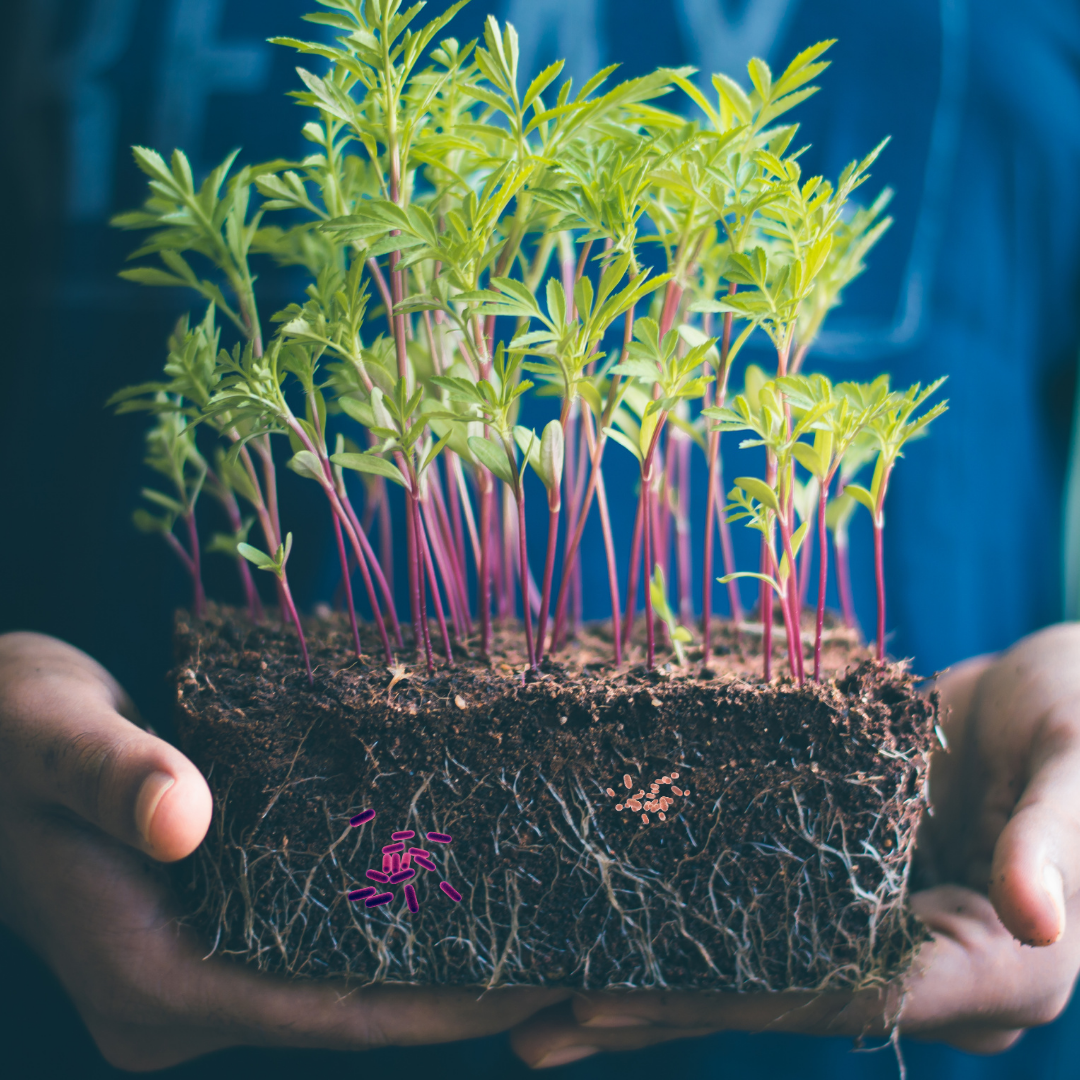
By integrating plant physiology, soil biology, and innovation-driven inquiry, the module encourages students to move beyond input-intensive paradigms toward biologically informed crop and soil management strategies. The emphasis is not solely on yield performance, but on resource-use efficiency, soil regeneration, and long-term agroecosystem stability — core principles of sustainable and climate-adaptive agriculture (Compant et al., 2019; IPCC, 2022; Xun et al., 2024).