

Phytoremediation: Harnessing Plants to Clean Our Environment
Environmental pollution is one of the most pressing challenges of the 21st century. Heavy metals, pesticides, hydrocarbons, and other contaminants threaten soil, water, and human health worldwide. While traditional remediation methods like excavation or chemical treatments are often expensive and disruptive, a green alternative is gaining attention: phytoremediation, the use of plants to detoxify polluted environments. Phytoremediation is a set of eco-friendly technologies that employ plants to remove, degrade, or stabilize pollutants in soil, water, and air. It is not only cost-effective but also sustainable, as it leverages natural plant growth processes to achieve environmental cleanup
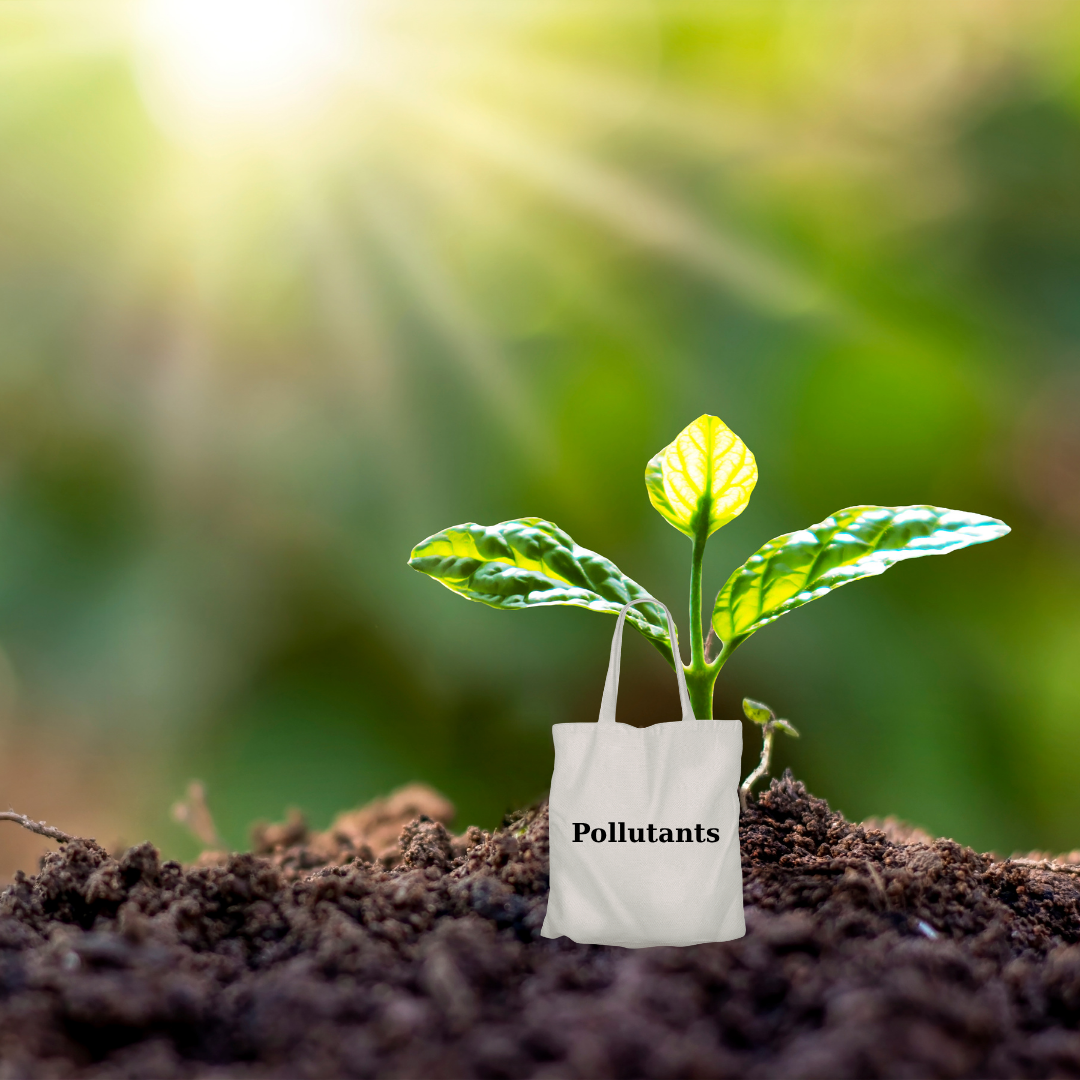
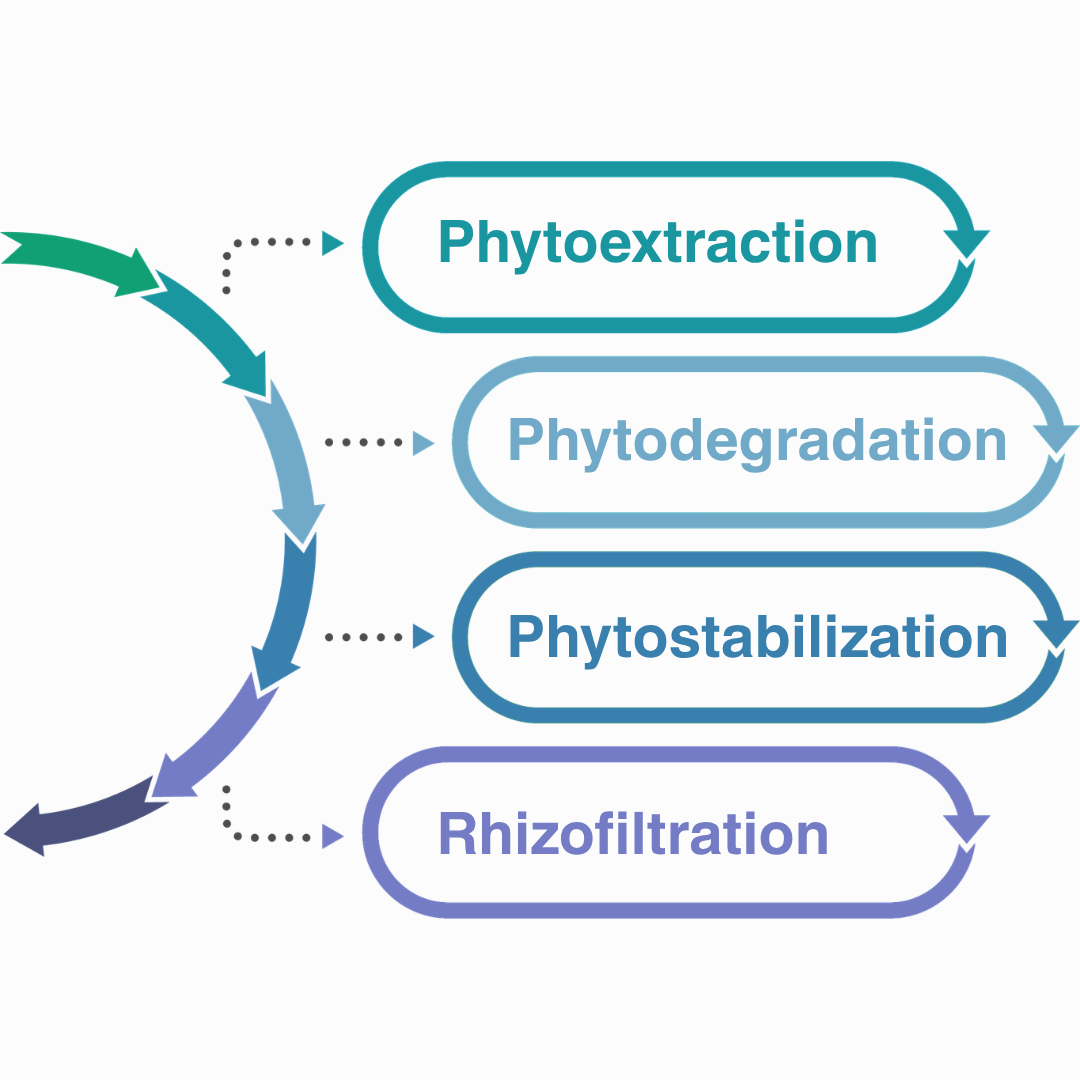
There are several main mechanisms by which phytoremediation works:
- Phytoextraction (or phytoaccumulation): Plants absorb pollutants, especially heavy metals like lead, cadmium, or arsenic, through their roots and store them in their shoots or leaves. These plant tissues can then be harvested and safely disposed of.
- Phytodegradation: Some plants, often in combination with associated microbes, can break down organic contaminants such as petroleum hydrocarbons, pesticides, or industrial solvents.
- Phytostabilization: Certain plants immobilize pollutants in the soil, reducing their bioavailability and preventing them from leaching into groundwater or spreading further.
- Rhizofiltration: Plant roots filter and remove contaminants from water, such as heavy metals or nutrients, providing a natural water-cleaning system.
Advantages of Phytoremediation
While phytoremediation has enormous potential, it is not a universal solution:
- Time: Plant-based cleanup can take months or years depending on pollutant levels.
- Pollutant specificity: Not all plants can tolerate or absorb all contaminants.
- Biomass disposal: Contaminated plant tissues must be safely handled.
- Environmental conditions: Success depends on climate, soil type, and water availability.
Ongoing research is addressing these limitations by developing genetically enhanced plants, microbe-assisted phytoremediation, and in vitro plant cultures optimized for pollutant removal.

Future Perspectives
Phytoremediation represents a bridge between agriculture, biotechnology, and environmental science. With advances in plant-microbe interactions, genetic engineering, and controlled in vitro cultures, we can expect faster, more efficient, and highly targeted remediation strategies. By transforming polluted land into green, productive spaces, phytoremediation not only cleans the environment but also supports sustainable development, a vital step toward a healthier planet.