

Engineering Enhanced Root Architecture for Optimized Carbon Sequestration in Woody Plants
Because fighting climate change is becoming more urgent, using the natural world to capture carbon is now extremely important. While planting trees is a well-established nature-based solution, standard forestry practices often provide only temporary carbon storage. To achieve long-term, stable sequestration, researchers are turning to advanced biotechnology to re-engineer the hidden half of the forest: the root systems. By optimizing the root architecture of woody plants, agriculture and forestry can significantly enhance their capacity to lock away carbon deep underground, aligning perfectly with the BIOSHIELD Project’s mission to combat climate change through sustainable innovation.
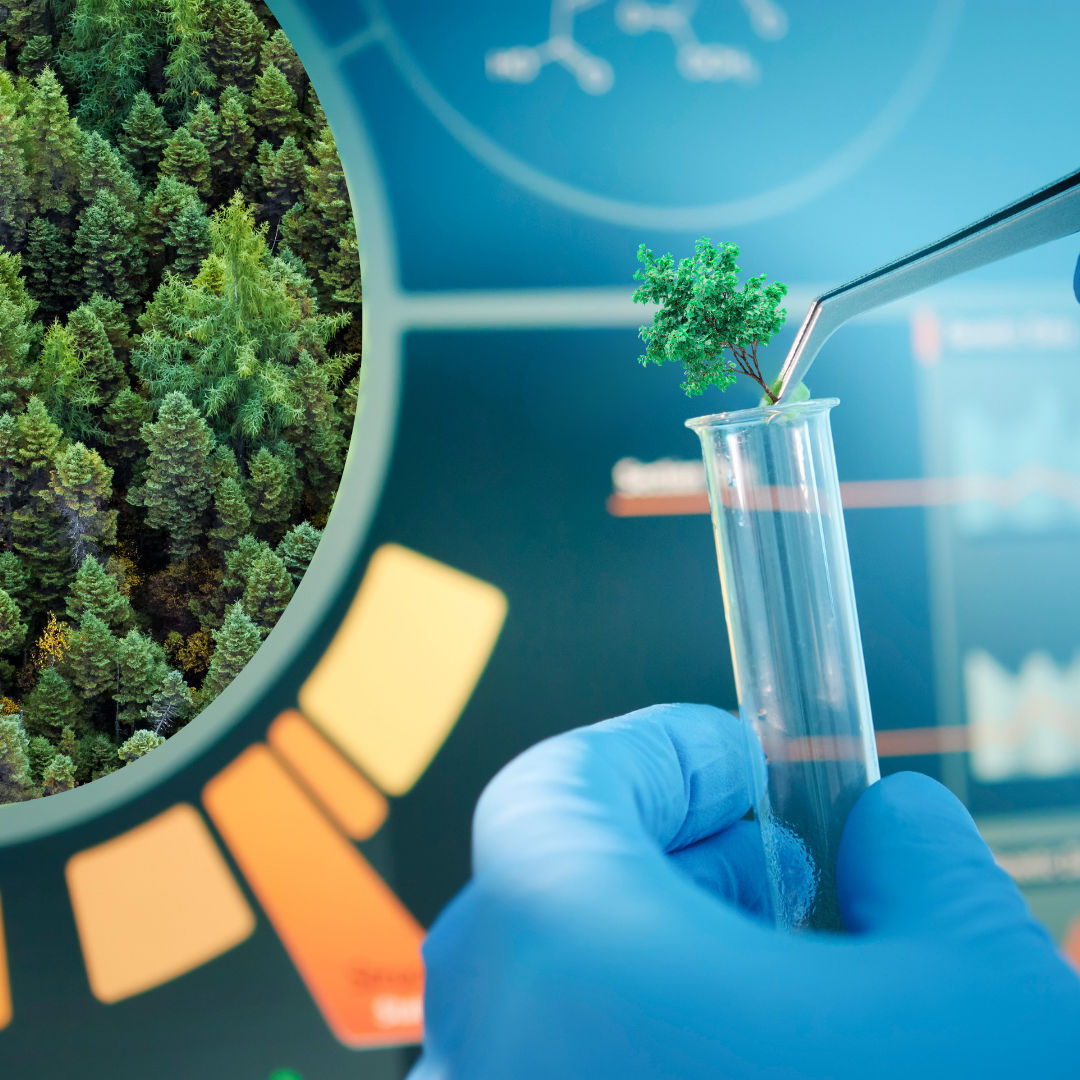
The foundation of this approach lies in understanding how root physical structures influence soil organic carbon dynamics. Studies on fast-growing agroforestry species and conifers demonstrate that trees with deeper, denser, and more expansive root networks can channel carbon into deeper soil layers where decomposition is markedly slower. For example, research on species like Eucalyptus and various conifers shows that expanding maximum root depth and fine root biomass not only increases the tree's carbon stock but also dramatically improves its resilience to severe droughts. By analyzing the genetic diversity of trees such as the poplar (Populus), scientists have also discovered that highly specific root elemental contents and structures dictate the formation of mineral-associated organic matter, which is crucial for permanent carbon stabilization.
To accelerate these natural advantages, genetic engineering is being deployed to explicitly design "climate-ready" woody plants. Precision tools like CRISPR-Cas9 are allowing scientists to modify specific genes that control root depth, branching, and physiological responses to environmental stress. Beyond simply making roots larger, a massive breakthrough lies in altering their chemical composition—specifically by enhancing the production of suberin. Suberin is a complex, carbon-rich biopolymer found in the protective outer layers of plant roots that is naturally highly resistant to decay. New advancements, such as detailed maps of plant cells, have identified the exact ways that the outer layers of roots create suberin. By upregulating the growth of suberin-rich phellem cells, bioengineers can transform standard tree roots into highly durable, long-term carbon vaults. These enhanced root systems effectively prevent sequestered carbon from rapidly leaking back into the atmosphere, overcoming the traditional limits of forest-based sequestration.

In the end, using genetically improved trees in global tree-planting projects is a huge step forward for climate technology. Trees engineered for optimized root architecture offer a dual benefit: they act as incredibly efficient biological carbon pumps while demonstrating superior resilience to the extreme weather conditions brought on by a warming planet. For educational and sustainability-focused platforms like the BIOSHIELD Project, supporting these root-level innovations is essential. By focusing on the ground beneath our feet, we can secure healthier soils, resilient ecosystems, and a stabilized global climate for future generations.