

Enhancing Photosynthetic Efficiency in Crop Plants for Increased Carbon Sequestration
The global agricultural system faces an unprecedented dual challenge: scaling food production to nourish a population approaching nine billion by 2050, while simultaneously mitigating the threat of climate change. Making plants work better is a huge opportunity for projects like the BIOSHIELD Project that use nature to catch carbon from the air. By engineering crop plants to enhance their photosynthetic efficiency, agriculture can transition from a net greenhouse gas emitter to a massive global carbon sink capable of removing up to 3.8 gigatons of carbon annually.
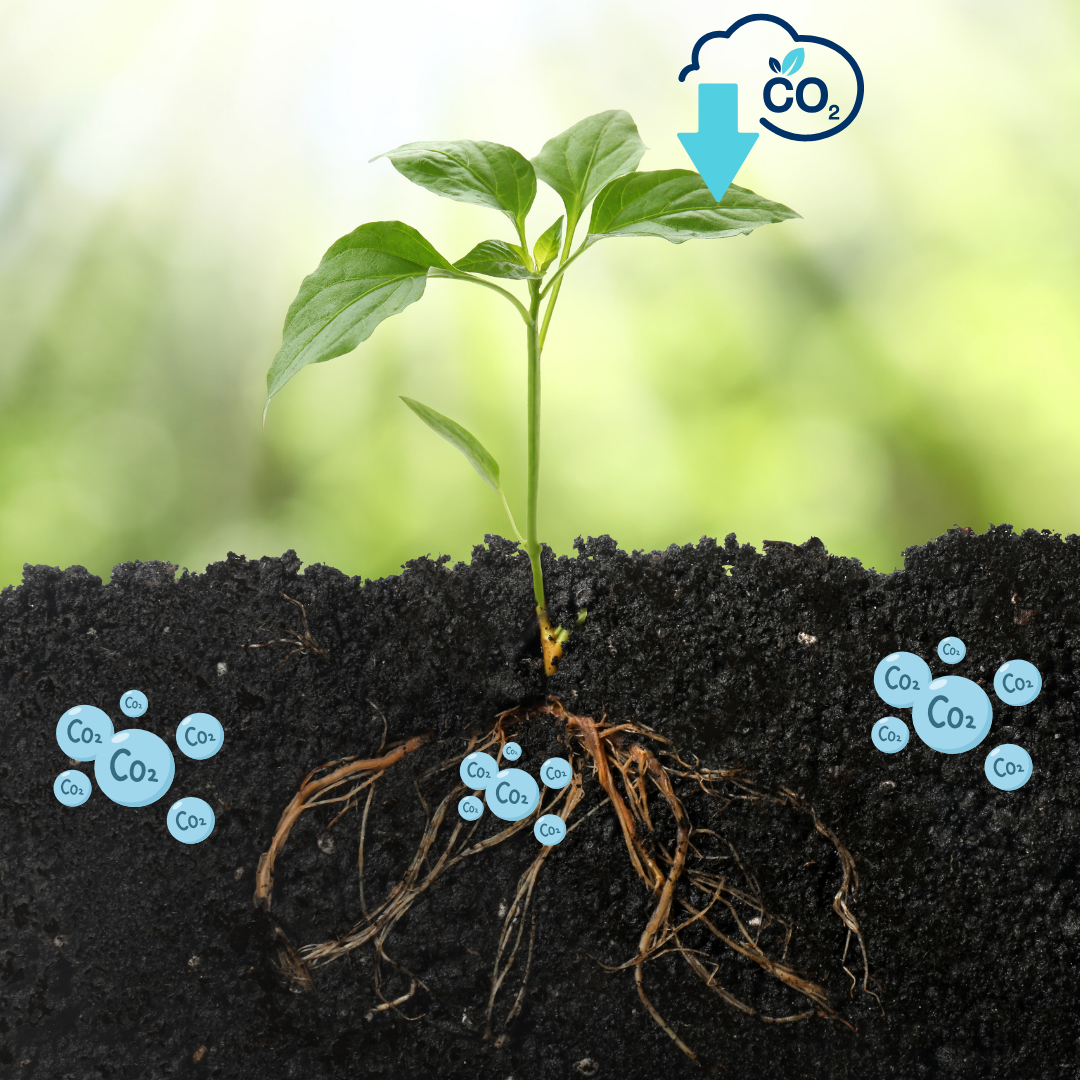
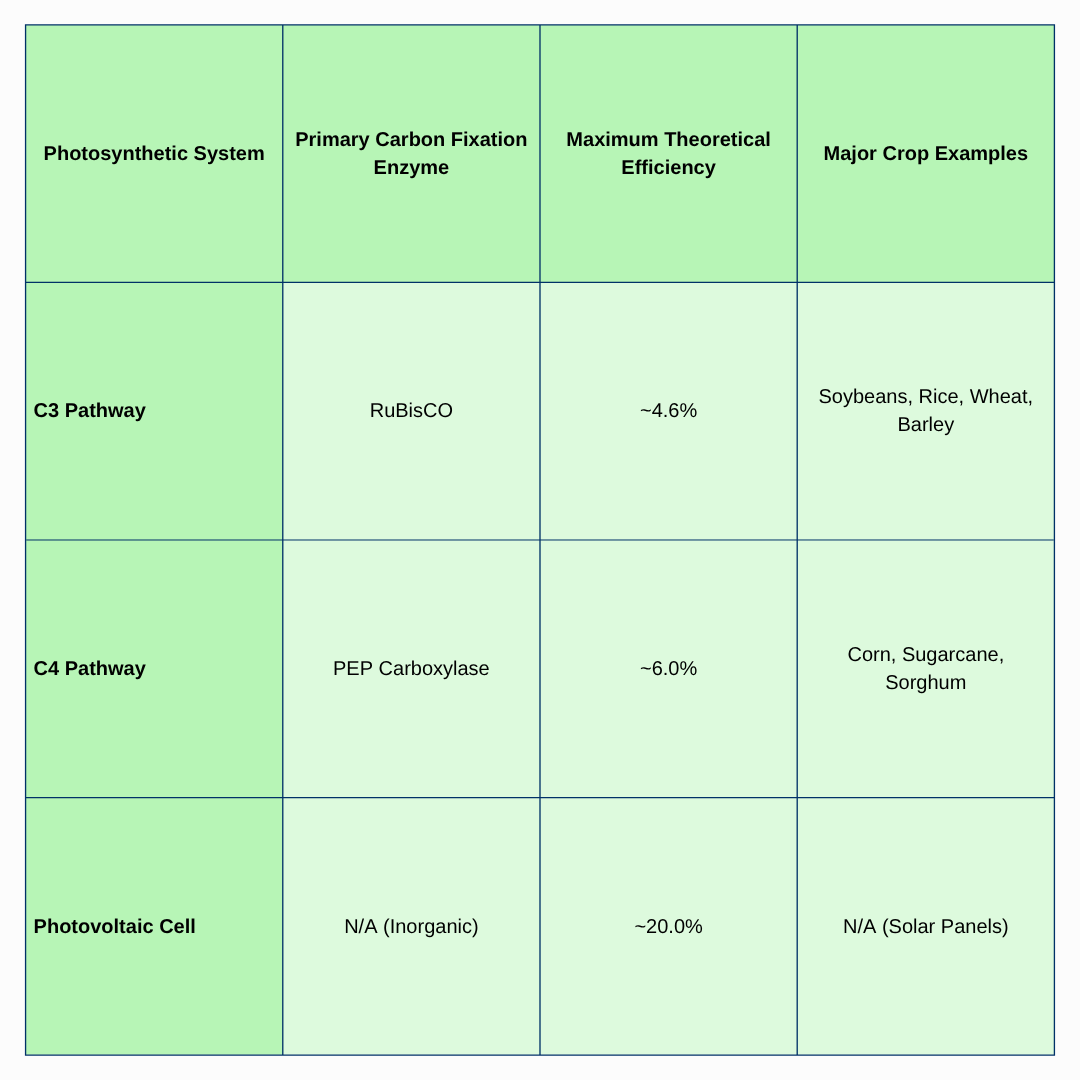
Despite billions of years of evolution, natural photosynthesis remains inherently inefficient. While commercial solar panels convert approximately 20% of solar radiation into energy, C3 crops—which include foundational staples like soybeans, wheat, and rice—operate at a maximum theoretical efficiency of just 4.6%. This biological bottleneck is primarily driven by Ribulose-1,5-bisphosphate carboxylase/oxygenase (RuBisCO), the central carbon-fixing enzyme. RuBisCO frequently mistakes oxygen for carbon dioxide, initiating a wasteful process known as photorespiration that costs the plant substantial cellular energy and releases previously fixed CO2 back into the atmosphere.
To overcome these built-in limits, researchers are changing plant genes to improve how they grow and process food. One breakthrough strategy involves creating synthetic photorespiratory bypasses within the chloroplast. These bypasses efficiently recycle toxic byproducts and reinvest the conserved energy into plant growth, boosting overall crop productivity by as much as 40%. Importantly, engineered crops equipped with these bypasses demonstrate remarkable climate resilience, exhibiting a 30% increase in yield mass even under extreme heatwave conditions. Concurrently, scientists are exploring the integration of microscopic carbon-concentrating mechanisms—inspired by the pyrenoid structures found in hornworts—to saturate RuBisCO with CO2 and virtually eliminate photorespiratory waste. Furthermore, some initiatives are optimizing canopy architecture by reducing excess chlorophyll in upper leaves. This genetic adjustment allows light to penetrate deeper into the crop canopy, enabling the plant to reallocate vital nitrogen resources toward enhanced carbon fixation without sacrificing overall grain yield.
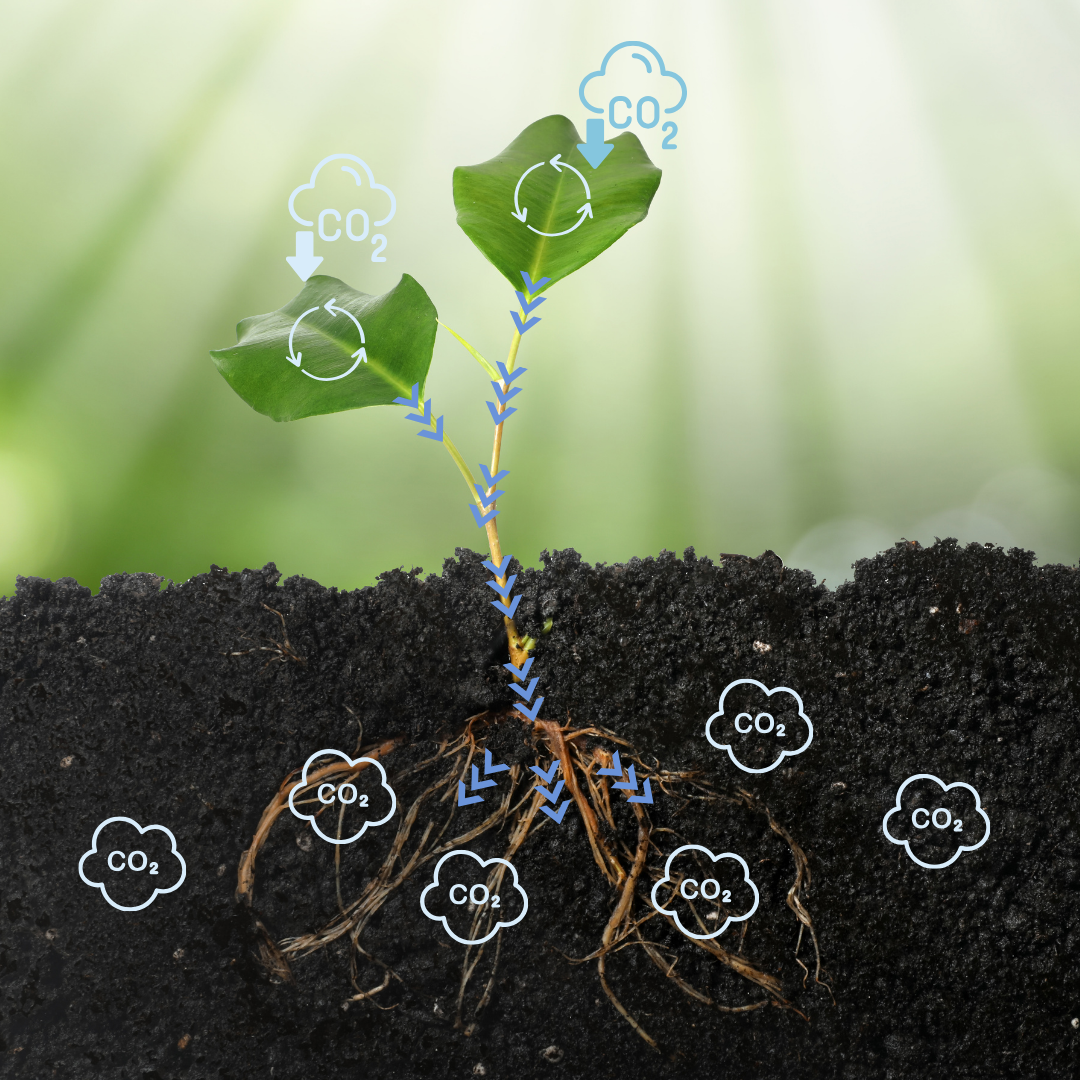
The ultimate climate benefit of these hyper-efficient crops extends far beneath the soil surface. Enhanced photosynthesis significantly increases the production of root exudates—organic carbon compounds such as simple sugars and organic acids released directly into the rhizosphere. These exudates, which can account for more than 10% of the plant's total photosynthetic carbon, bypass slow decomposition processes and bind directly to deep soil minerals to form stable, long-cycling carbon reservoirs known as mineral-associated organic matter. Additionally, this influx of liquid carbon stimulates the soil microbiome, driving the formation of aggregate structures that further lock away carbon and regenerate degraded soil profiles. By combining targeted photosynthetic enhancements with regenerative agricultural practices, the potential for rapid, large-scale carbon removal is vast. Scaling technologies that make plants just 10% more efficient proportionately drives 10% more carbon back into the earth. For the circular bioeconomy and platforms like the BIOSHIELD Project, deploying these resilient, bioengineered crop varieties represents a foundational strategy to secure global food supplies while actively reversing historical atmospheric carbon accumulation.